
Childproofing Essentials for a Safe and Comfortable Home
As parents, ensuring the safety and well-being of our little ones is always a top priority. Creating a safe and comfortable home environment for our children to thrive and explore is essential. Childproofing your home is not just a one-time task but an ongoing process that requires attention to detail and a proactive approach. By incorporating key childproofing essentials into your living space, you can significantly minimize potential hazards and create a secure haven for your family.
One of the fundamental aspects of childproofing is securing furniture and appliances to prevent tipping. Heavy items such as bookshelves, dressers, and TVs should be anchored to the wall to avoid accidents. Utilizing furniture straps and anchors is a simple yet effective way to ensure stability and prevent dangerous situations. By taking this precaution, you can provide a secure environment for your child to play and explore without the risk of furniture-related injuries.
Electrical outlets pose a significant risk to young children, who may be curious to insert objects into the sockets. Installing outlet covers or caps is an essential childproofing measure to prevent electrical shocks and accidents. These inexpensive yet crucial devices can help safeguard your little ones from potential hazards and give you peace of mind knowing that your home is a safe environment for them to navigate.
Staircases are another potential danger zone in a home, especially for young children who are still mastering their motor skills. Installing safety gates at the top and bottom of staircases is a vital childproofing measure to prevent falls and injuries. Choose sturdy gates that are securely mounted to the wall and have a reliable locking mechanism to ensure maximum safety for your child. By creating a physical barrier, you can effectively restrict access to staircases and minimize the risk of accidents.
Window safety is a critical aspect of childproofing that is often overlooked. To prevent falls and injuries, install window guards or stops to limit how far windows can open. Additionally, ensure that blind cords are out of reach and securely fastened to prevent strangulation hazards. By addressing these window safety measures, you can enhance the overall safety of your home and create a secure environment for your children to thrive.
In the kitchen, potential hazards abound, from sharp objects to hot surfaces. Securing cabinets and drawers with safety latches or locks is essential to prevent access to dangerous items such as knives, cleaning supplies, and small appliances. Furthermore, installing stove knob covers can prevent unintentional burns or fires caused by curious little hands. By implementing these childproofing measures in the kitchen, you can minimize risks and create a safer space for your child to be in.
When it comes to creating a safe and comfortable sleeping environment for your child, crib safety is paramount. Ensure that the crib meets current safety standards and does not have any loose or missing parts that could pose a risk to your little one. Additionally, avoid using soft bedding, such as pillows and blankets, which can increase the risk of suffocation. By following these crib safety guidelines, you can provide a secure sleeping space for your child and promote a restful night’s sleep.
In the bathroom, there are numerous potential hazards that can be mitigated through childproofing measures. Installing toilet locks can prevent drowning accidents, while securing medicine cabinets and drawers can prevent access to harmful substances. Additionally, using non-slip mats in the bathtub and shower can reduce the risk of slips and falls. By addressing these bathroom safety concerns, you can create a secure environment for your child to bathe and explore without the risk of accidents.
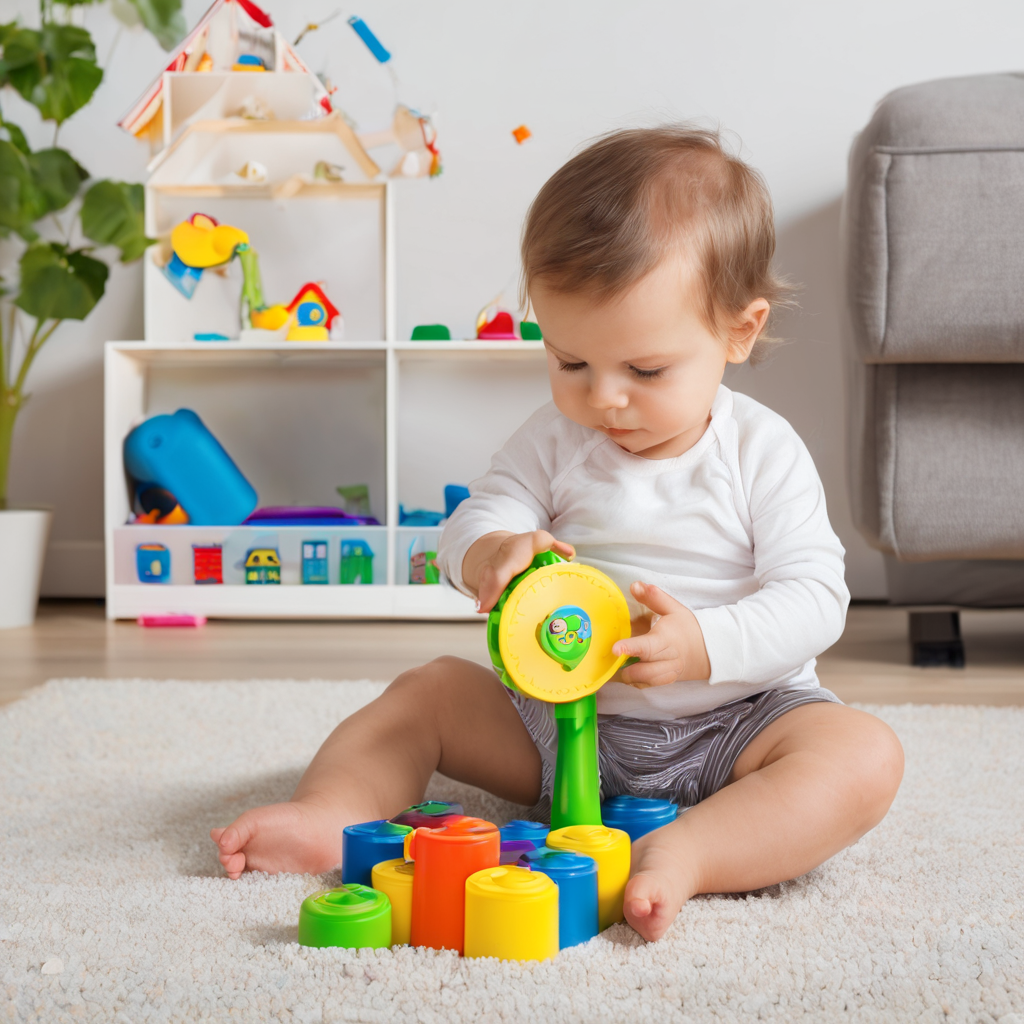
Creating a designated play area for your child is a great way to promote safety and organization in your home. Designate a space that is free of potential hazards, such as sharp edges and small objects that could pose a choking risk. Utilize soft padding on the floor to cushion falls and encourage active play. By establishing a dedicated play area, you can provide a safe and stimulating environment for your child to engage in imaginative play and physical activity.
Pet safety is an important consideration when childproofing your home, especially if you have furry family members. Establish boundaries between your child and pets to prevent potential conflicts or accidents. Ensure that pet food and water bowls are placed out of reach to prevent ingestion of pet food or water. Additionally, teach your child how to interact safely with pets to promote a harmonious relationship. By integrating pet safety measures into your childproofing plan, you can create a harmonious living environment for both your child and your pets.
In conclusion, childproofing your home is a multifaceted task that requires attention to detail and a proactive approach. By incorporating key childproofing essentials, such as securing furniture, electrical outlets, staircases, windows, and kitchen cabinets, you can create a safe and comfortable environment for your child to thrive. By addressing potential hazards in areas such as the bedroom, bathroom, play area, and interactions with pets, you can enhance the overall safety and well-being of your family. Remember, childproofing is an ongoing process that evolves as your child grows and explores new surroundings. By prioritizing safety and taking proactive measures, you can create a secure haven where your child can flourish and thrive.