
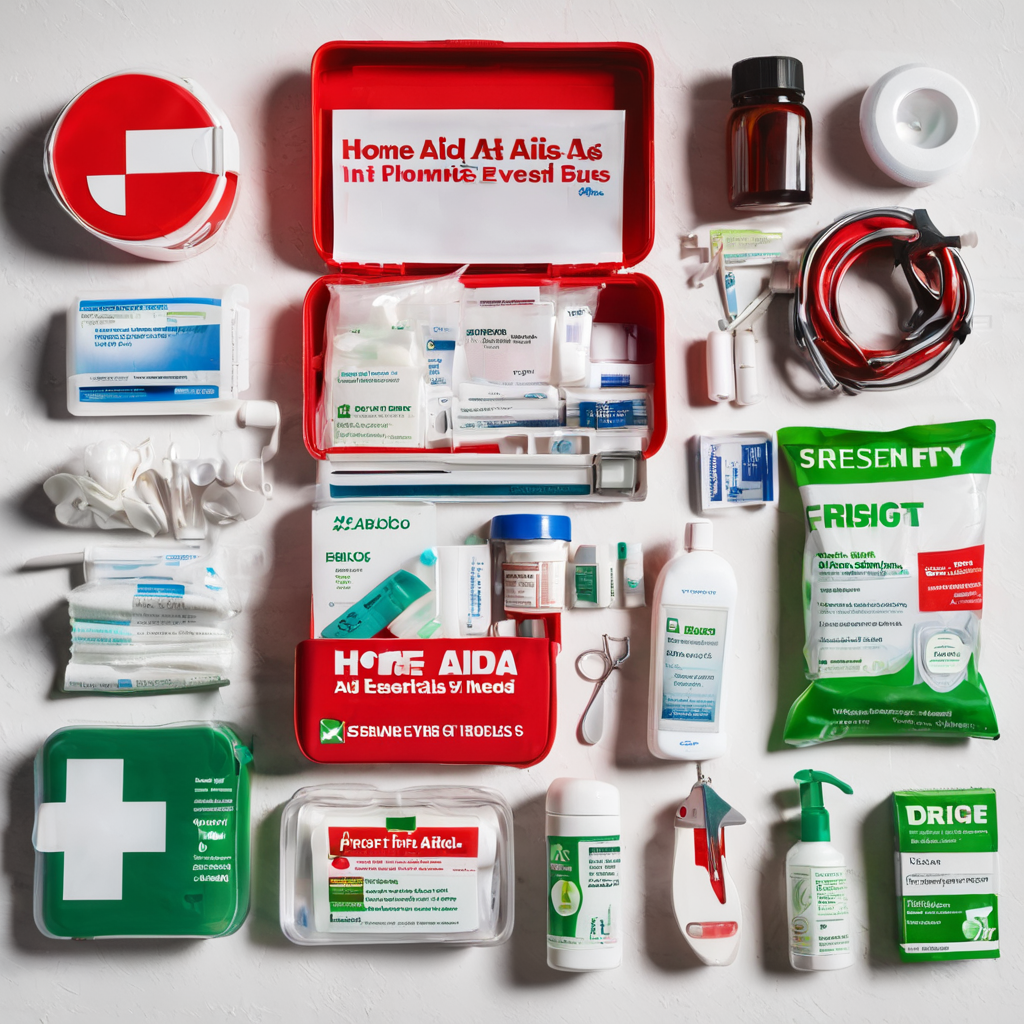
In the realm of everyday life, emergencies can strike at any moment. It’s essential for every household to be equipped with the necessary tools and knowledge to handle common medical situations effectively. From minor cuts and burns to more serious injuries, having a well-stocked first aid kit and understanding basic first aid procedures can make a crucial difference in ensuring the well-being of your loved ones. Here are the home first aid essentials every family should have on hand:
A fundamental component of any first aid kit is adhesive bandages in various sizes. These versatile items are perfect for covering small cuts and scrapes, providing protection from dirt and bacteria, and promoting faster healing. Keep a selection of bandages, including standard strips, butterfly closures, and fingertip bandages, to address different wound sizes and locations effectively.
Antiseptic wipes or alcohol pads are vital for cleaning and disinfecting wounds before applying bandages. These handy wipes help prevent infections and reduce the risk of complications from minor injuries. Make sure to include enough antiseptic wipes in your first aid kit to maintain proper hygiene when treating cuts, scrapes, or burns.
A pair of sharp scissors is essential for cutting bandages, gauze, or clothing to access and treat injuries effectively. Choose scissors with rounded tips to prevent accidental punctures or cuts while trimming bandages or removing clothing to assess wounds. Keep these scissors in your first aid kit for quick access during emergencies.
Gauze pads serve as versatile, absorbent dressings for larger wounds or burns that require more extensive coverage than adhesive bandages. These sterile pads are excellent for applying pressure to control bleeding, protecting the wound, and promoting healing. Stock your first aid kit with a variety of gauze pad sizes to address different injury types.
Medical tape is a crucial item for securing dressings, bandages, or gauze pads in place to maintain proper wound care. Opt for hypoallergenic tape to reduce the risk of skin irritation and ensure secure adhesion without causing discomfort. Include a roll of medical tape in your first aid kit to secure dressings effectively during treatment.
Hydrocortisone cream or ointment can provide relief from itching, inflammation, and minor skin irritations caused by insect bites, rashes, or allergic reactions. This over-the-counter medication helps reduce swelling, redness, and discomfort associated with various skin conditions. Keep a tube of hydrocortisone cream in your first aid kit for quick relief from minor skin irritations.
Tweezers are essential for safely removing splinters, debris, or insect stingers from the skin to prevent infection and promote healing. Choose tweezers with fine, pointed tips for precise extraction of foreign objects embedded in the skin. Include a pair of tweezers in your first aid kit to address minor skin injuries promptly.
Disposable gloves are crucial for protecting both the first aider and the injured person from potential contamination during treatment. Latex-free or nitrile gloves are suitable for individuals with latex allergies and provide a barrier against blood, bodily fluids, or other potentially infectious materials. Always wear disposable gloves when administering first aid to maintain proper hygiene and prevent cross-contamination.
Instant cold packs are convenient for reducing swelling, inflammation, and pain associated with minor injuries, sprains, or strains. These single-use packs activate instantly when squeezed or shaken, providing quick cold therapy without the need for refrigeration. Include a few instant cold packs in your first aid kit to address swelling and pain effectively.
A first aid manual is an invaluable resource for guiding you through essential first aid procedures and emergency protocols. Keep a comprehensive manual in your first aid kit to reference proper techniques for treating various injuries, performing CPR, or responding to medical emergencies. Familiarize yourself with the manual’s contents to confidently handle unexpected medical situations at home.
By equipping your home with these essential first aid supplies and knowledge, you can ensure your family’s safety and well-being in times of need. Stay prepared, stay informed, and be ready to handle medical emergencies with confidence and efficiency. Remember, a well-stocked first aid kit and basic first aid skills can make a significant difference in promoting positive outcomes during unexpected health crises.