
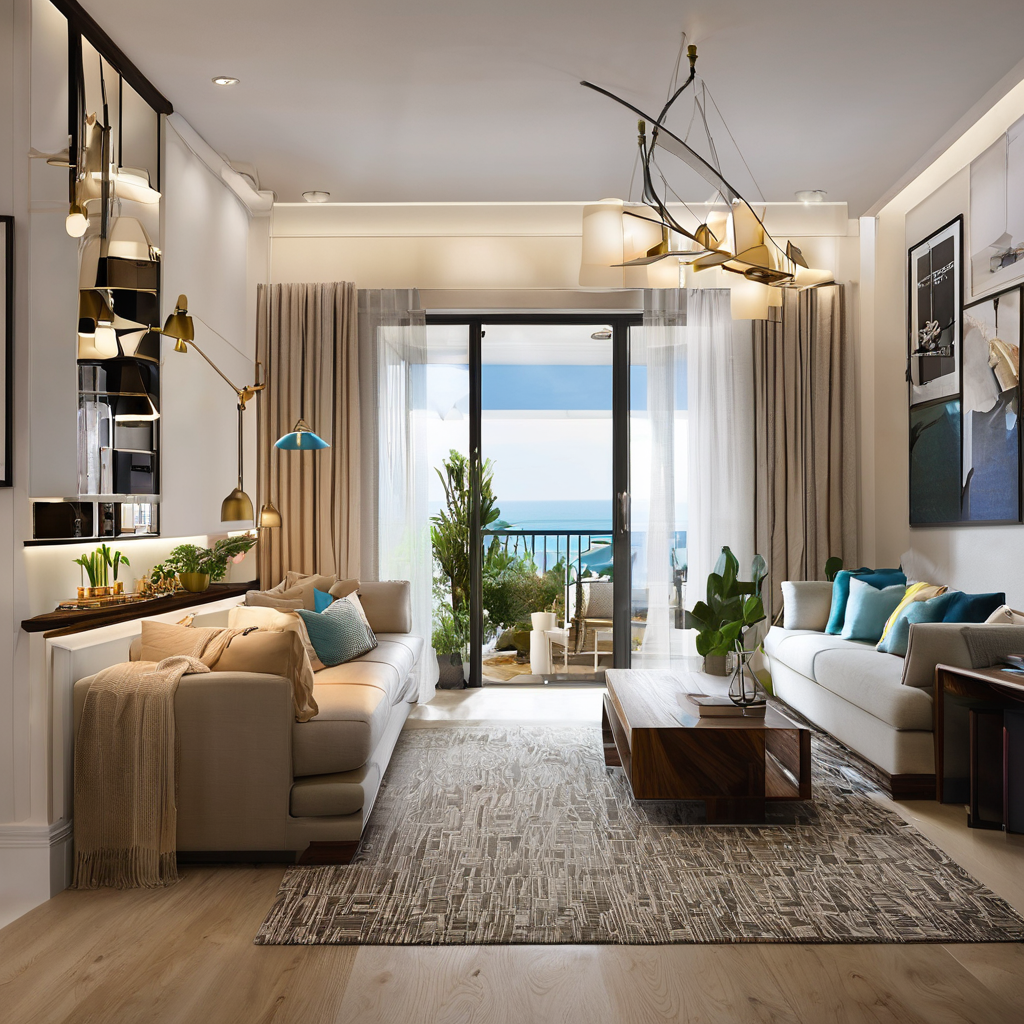
In the realm of interior design, lighting plays a pivotal role in transforming the ambiance of a living space, especially in smaller areas where every element counts. The right indoor lighting can create an illusion of space, enhance functionality, and evoke a sense of warmth and comfort. For those navigating the challenge of illuminating compact living spaces effectively, here are some expert tips to optimize lighting and elevate the atmosphere within your home.
Natural light is a small living space’s best friend. Maximize the influx of natural light by keeping windows unobstructed, opting for sheer curtains, or even skylights if feasible. Natural light not only brightens up the room but also imparts a feeling of openness, making the space appear larger and more inviting. Consider arranging furniture strategically to allow light to travel freely across the room, bouncing off reflective surfaces for a luminous effect.
Incorporating multi-functional lighting fixtures can be a game-changer in small living spaces. Choose lighting elements that serve dual purposes, such as floor lamps with adjustable arms that can provide both ambient and task lighting. Wall sconces or pendant lights with dimmer switches offer versatility in setting the desired mood, from bright and energizing to soft and cozy, adapting to different activities throughout the day.
To create the illusion of height in a small living space, leverage vertical lighting strategies. Install wall-mounted lights or vertical floor lamps to draw the eye upward, accentuating the room’s height and giving the impression of a taller ceiling. This vertical emphasis not only adds visual interest but also expands the perceived dimensions of the space, making it feel more spacious and airy.
Layering different light sources is key to achieving a well-balanced and dynamic lighting scheme in a small living area. Combine ambient lighting, such as overhead fixtures or recessed lights, with task lighting for specific activities like reading or working. Accent lighting, such as spotlights or LED strips, can highlight architectural features or artworks, adding depth and character to the space.
When selecting light fixtures for a small living space, opt for sleek and compact designs that complement the scale of the room. Avoid bulky or oversized fixtures that can overwhelm the space and make it feel cramped. Choose fixtures with clean lines and minimalist aesthetics to blend seamlessly with the decor while providing ample illumination without encroaching on precious floor or wall space.
Harness the power of reflective surfaces to amplify the impact of lighting in a small living space. Mirrors, glass tabletops, and metallic accents can bounce light around the room, creating a luminous and airy atmosphere. Position mirrors strategically to reflect natural light or artificial sources, enhancing brightness and creating the illusion of a more expansive and well-lit environment.
Embrace the versatility of smart lighting solutions to tailor the illumination in your small living space to suit different activities and moods. Smart bulbs, dimmers, and programmable lighting systems allow you to adjust color temperatures, brightness levels, and even set lighting schedules with ease. Integrate smart lighting controls into your home automation system for seamless and intuitive lighting management.
Lighting accessories, such as lampshades, bulbs, and dimmer switches, can significantly impact the ambiance and functionality of a small living space. Choose lampshades that diffuse light softly to create a cozy atmosphere or opt for transparent shades that direct light downward for task lighting. Select LED bulbs with warm color temperatures to enhance the warmth and comfort of the space while saving energy.
Don’t overlook the importance of lighting placement and direction in optimizing the illumination in a small living space. Experiment with different angles and positions for lights to eliminate shadows and dark corners, ensuring even distribution of light throughout the room. Focus on lighting areas where activities take place, such as seating areas, workstations, or decorative displays, to enhance functionality and visual appeal.
In conclusion, mastering the art of indoor lighting in small living spaces requires a thoughtful approach that balances functionality, aesthetics, and spatial considerations. By harnessing natural light, incorporating multi-functional fixtures, layering light sources, and embracing smart solutions, you can create a well-lit and inviting environment that maximizes the potential of your compact living space. With careful planning and attention to detail, you can illuminate your home in a way that enhances its charm, comfort, and functionality, transforming it into a cozy retreat that feels spacious and welcoming.