
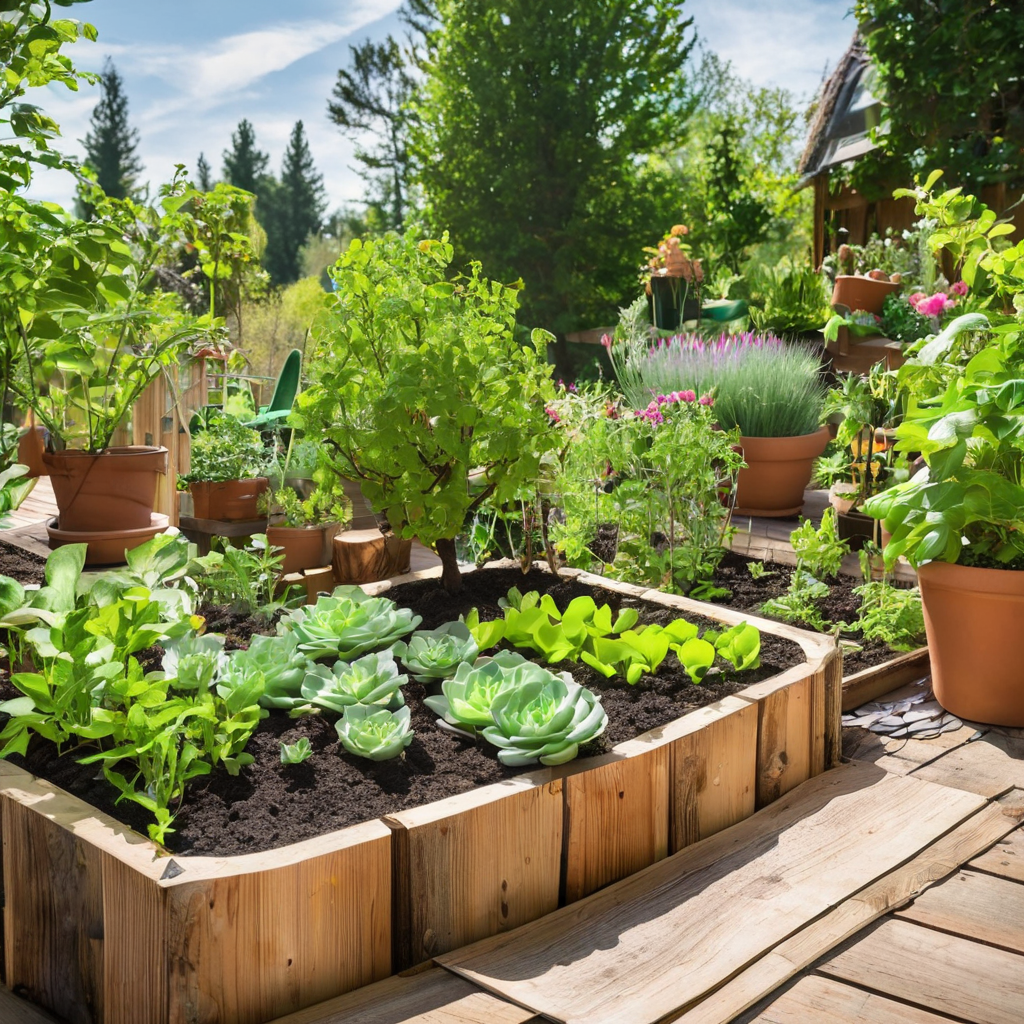
In the pursuit of eco-friendly living, sustainable gardening stands out as a rewarding endeavor that not only benefits the environment but also enhances the beauty of our homes. By adopting sustainable gardening practices, we can create a harmonious balance between nature and urban life while reducing our carbon footprint. Here are some tips to help you embark on your sustainable gardening journey and transform your home into a green oasis.
First and foremost, consider starting a compost pile in your garden. Composting is a simple yet effective way to recycle organic waste such as fruit and vegetable scraps, coffee grounds, and yard trimmings. By turning these materials into nutrient-rich compost, you can nourish your garden soil naturally and reduce the amount of waste that ends up in landfills.
When planning your garden layout, opt for native plants that are well-suited to your region’s climate and soil conditions. Native plants require less water, fertilizer, and pesticides compared to exotic species, making them a sustainable choice for eco-friendly gardening. Additionally, native plants support local biodiversity by providing food and habitat for native wildlife.
Incorporating water-saving techniques into your gardening routine is essential for sustainable water management. Consider installing a rain barrel to collect rainwater for watering your plants, or invest in a drip irrigation system that delivers water directly to the roots of your plants. By reducing water waste in the garden, you can conserve this precious resource and lower your water bills.
To promote healthy soil and plant growth, practice mulching in your garden beds. Mulch helps retain soil moisture, suppresses weed growth, and adds organic matter to the soil as it decomposes. Choose natural mulch materials such as wood chips, straw, or shredded leaves, and spread a layer around your plants to reap the benefits of this sustainable gardening practice.
Integrating companion planting techniques into your garden design can help naturally control pests and promote plant health. Companion planting involves growing compatible plant species together to enhance their growth and deter common garden pests. For example, planting marigolds alongside tomatoes can repel nematodes and other harmful insects, reducing the need for chemical pesticides.
Embracing organic gardening methods is another key aspect of sustainable gardening. Avoid synthetic fertilizers and pesticides that can harm beneficial insects, soil microorganisms, and water quality. Instead, use organic fertilizers such as compost, manure, or seaweed extract to nourish your plants and promote a healthy garden ecosystem.
Create habitat areas in your garden to attract beneficial insects, birds, and other wildlife that play a vital role in pollination and pest control. Install bird feeders, bee hotels, and butterfly gardens to provide food and shelter for these valuable creatures. By supporting biodiversity in your garden, you can create a thriving ecosystem that is resilient and sustainable.
Practice mindful gardening by reducing waste and reusing materials whenever possible. Repurpose old containers as planters, upcycle wooden pallets into raised beds, and recycle plastic bottles for irrigation systems. By adopting a circular approach to gardening, you can minimize your environmental impact and contribute to a more sustainable lifestyle.
Invest in high-quality gardening tools and equipment that are durable, ergonomic, and energy-efficient. Opt for hand tools made from sustainable materials such as bamboo or stainless steel, and choose battery-powered or manual tools to reduce your carbon footprint. By investing in well-made gardening tools, you can enjoy gardening for years to come while minimizing waste.
Lastly, share your sustainable gardening journey with others in your community and inspire them to embrace eco-friendly practices. Host workshops, garden tours, or plant exchanges to exchange knowledge, resources, and ideas with fellow gardeners. By fostering a sense of community around sustainable gardening, you can create a ripple effect of positive change that benefits both people and the planet.
In conclusion, sustainable gardening offers a holistic approach to cultivating a green and thriving garden while minimizing environmental impact. By following these tips and incorporating sustainable practices into your gardening routine, you can create a beautiful, eco-friendly oasis that nourishes both the body and soul. Let your garden be a testament to the power of sustainability and a source of inspiration for others to follow suit in creating a greener, more sustainable world.